
+918048067265

Currently it only shows your basic business info. Start adding relevant business details such as description, images and products or services to gain your customers attention by using Boost 360 android app / iOS App / web portal.


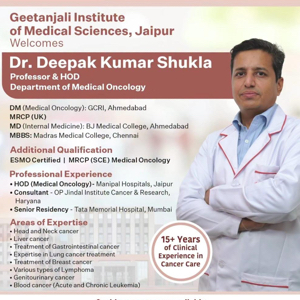
1) What “cancer treatment care” actually includes Cancer treatment care isn’t just chemotherapy or radiation or surgery. It’s a coordinated approach that typically covers: - Accurate diagnosis and staging (what type of cancer, how advanced it is) - Personalized treatment planning (based on tumor biology and patient factors) - Medical treatment (systemic therapy such as chemotherapy, targeted therapy, immunotherapy) - Local treatment (surgery and/or radiotherapy, when appropriate) - Supportive care to manage side effects and maintain quality of life - Rehabilitation and monitoring during recovery - Long-term follow-up to detect recurrence early and manage late effects In cities like Jaipur, many patients also want care that’s coordinated, timely, and practical—especially when multiple specialists (oncology, surgery, pathology, radiology, palliative care) are involved. --- 2) The first critical phase: diagnosis and staging Why staging matters Treatment depends heavily on staging—how far the cancer has spread and which lymph nodes or organs are involved. Even cancers that share the same name can behave very differently. Common steps include: - Biopsy to confirm cancer type - Pathology review (sometimes with special tests like immunohistochemistry) - Imaging such as CT, MRI, PET-CT (as recommended) - Blood tests to understand baseline organ function and risks A common misconception “If the scan looks clear, cancer can’t be serious.” Not always. Some cancers spread microscopically or progress in ways imaging may not fully capture early on. That’s why proper staging and pathology work are essential. --- 3) Treatment planning: one size does not fit all Cancer care is increasingly biomarker-driven and individualized. Your team may consider factors like: - Cancer type and grade - Genetic or molecular markers (when available) - Stage and expected response - Your overall health (heart, lungs, kidneys, diabetes control, nutrition) - Treatment goals (curative intent vs. disease control vs. symptom relief) Example of how plans differ Two patients with the “same” cancer may receive different regimens because of: - different tumor markers, - different prior treatments, - different performance status (how well a person can carry out daily activities), - different organ function. --- 4) Common treatment pathways (and what to expect) A) Chemotherapy Chemotherapy can be used before surgery (neoadjuvant), after surgery (adjuvant), or as primary therapy in advanced disease. What supportive care focuses on: - managing nausea and vomiting - preventing/treating low blood counts (neutropenia, anemia) - protecting kidney/liver health depending on the regimen B) Targeted therapy and immunotherapy These are often tailored to tumor markers and can have different side-effect patterns than chemotherapy. Typical supportive focus: - monitoring thyroid, liver enzymes, and immune-related symptoms (for immunotherapy) - managing skin reactions, fatigue, and GI effects (depending on agent) C) Radiation therapy Radiation may be used to cure localized cancers, shrink tumors, or reduce symptoms. Supportive care includes: - skin care guidance - managing fatigue - symptom control based on radiation site (e.g., throat, breast, pelvic region) D) Surgery Surgery may be part of the curative pathway or used for specific reasons like debulking or managing complications. Care continuity matters: recovery planning, nutrition, infection prevention, and coordination with systemic therapy. --- 5) Cancer treatment care means side-effect management—early Many patients wait until symptoms become severe. In cancer care, earlier reporting often leads to better control. Don’t ignore these red flags (seek guidance promptly) - Fever or chills (especially during chemotherapy) - Uncontrolled vomiting or inability to drink fluids - Severe breathlessness or chest pain - Blood in stool/urine or unusual bleeding - Sudden severe weakness, confusion, or worsening pain - Persistent diarrhea or dehydration symptoms Key side effects and practical coping areas - Blood count changes: fatigue, infection risk, bleeding tendency - Nausea and appetite changes: meal planning and hydration strategies - Pain control: preventing pain from becoming a major barrier to treatment - Sleep and anxiety: managing stress through structured routines and counseling support - Oral health: mouth sores are common; early oral care reduces complications --- 6) Supportive and palliative care: not “giving up” Supportive care is medical care focused on symptoms, comfort, and overall well-being—alongside disease-directed treatment. It can help with: - pain and breathlessness - nausea, constipation, diarrhea - anxiety, insomnia, fatigue - nutrition and functional support A helpful way to think about it: Palliative care is an added layer of treatment for quality of life, not a replacement of cancer treatment. --- 7) If the cancer involves blood (hematological malignancies) Some cancers—like certain leukemias, lymphomas, and multiple myeloma—may require advanced therapies including stem cell transplantation. What to know about stem cell transplant care (high level) There are different approaches, commonly discussed as: - Autologous transplant (using the patient’s own stem cells) - Allogeneic transplant (using stem cells from a donor) These treatments typically require: - careful infection prevention - close monitoring of blood counts and organ function - management of complications like graft-versus-host disease (for some allogeneic cases) - long recovery periods with structured follow-up In Jaipur and across India, many patients benefit from treatment centers that coordinate these complex pathways with transplant-trained oncology teams and multidisciplinary nursing support. --- 8) Follow-up care: the phase people underestimate Follow-up is where long-term outcomes are supported. Depending on cancer type and treatment, follow-up schedules may include: - symptom check and physical exams - blood tests for tumor markers (where relevant) - imaging at planned intervals (not always every time) - monitoring for late effects (heart, lungs, bones, fertility, neuropathy, etc.) What follow-up should include emotionally Cancer changes routines and relationships. Follow-up care that includes psychological support and practical counseling can make recovery smoother. --- 9) Questions you can ask your oncology team (useful during appointments) Bring a notebook or phone notes. Helpful questions include: - What is my stage and what does it mean for treatment options? - Which treatment is intended for cure, control, or symptom relief? - What are the most common side effects of my regimen—and how do we prevent them? - What should I do if I develop fever, severe weakness, or uncontrolled vomiting? - How will we monitor response—imaging, blood tests, or both? - Will I need surgery or radiation later, and why? - What supportive care can we start immediately, even before severe symptoms occur? - What does follow-up look like after completing treatment? --- 10) Choosing care in Jaipur: what to look for (without getting lost) Patients often ask how to decide among care options. Instead of only focusing on the “type of treatment, ” consider whether the center supports: - Evidence-based treatment planning (guidelines + biomarkers when needed) - Multidisciplinary coordination (oncology, surgery, radiology, pathology, supportive care) - Clear communication on goals, schedules, and side-effect management - Preparedness for emergencies during chemotherapy or transplant phases - Structured follow-up and survivorship guidance If you’re in Jaipur and looking for experienced medical oncology guidance, it can help to choose a consultant who is trained specifically in oncology and who coordinates complex treatment pathways (including advanced options when relevant). For example, Dr. DEEPAK KUMAR SHUKLA DM(MEDICAL ONCOLOGY) is a medical oncologist practicing in Jaipur and brings extensive oncology experience and specialist training, which many patients find reassuring when navigating complex cancer decisions. --- Final takeaway: good cancer treatment care is proactive Cancer treatment care works best when it’s planned early, monitored closely, and supported continuously. The goal is not just to treat the cancer—but to help you stay informed, manage side effects effectively, and move through treatment with the best possible quality of life.


